Table Of Content
- Is the soapy water gas leak test effective?
- What Happens if You Leave a Gas Stove On?
- Frequency Of Professional Inspections For Gas Appliances
- Contribution Of Compliance To Overall Gas Safety
- Importance Of Raising Awareness About Gas Safety
- Health effects
- Setting Up Your Yearly Home Maintenance Schedule: A Home Maintenance Checklist for Every Season
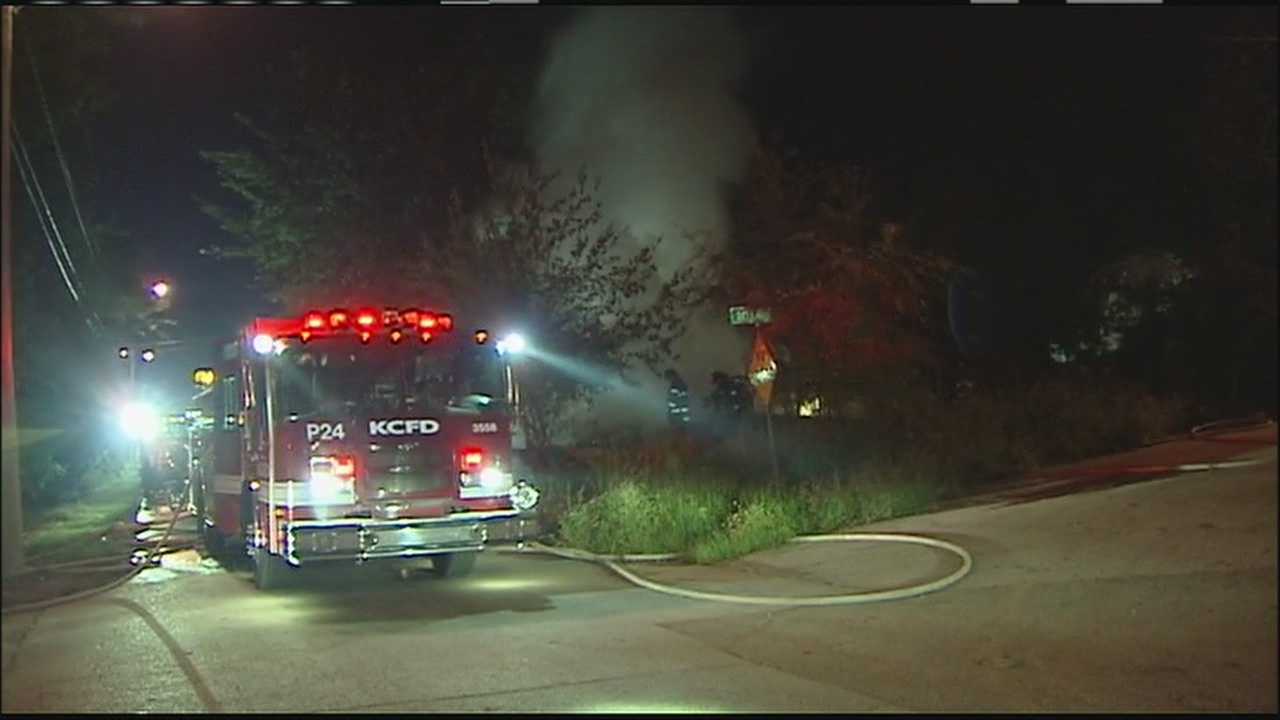
Professional inspections of gas appliances should be scheduled at regular intervals to ensure their continued safe operation. The frequency of these inspections may vary based on the type of appliance, manufacturer recommendations, and local regulations. Generally, it is advisable to have a certified technician inspect your gas appliances at least once a year. Once you are safely outside, contact your gas provider’s emergency number or call the local fire department to report the suspected gas leak. These professionals are trained to handle such situations and will conduct a thorough assessment to determine the source and severity of the leak.
Is the soapy water gas leak test effective?
Pay attention to your symptoms as you're moving around the home from room to room. Stay cognizant of how you feel when you leave the home and come back. If you develop a headache when you come home, that could mean a leak.
What Happens if You Leave a Gas Stove On?
But that’s not the only time when your nose can be offended by noxious odors. If the malfunction affects the normal flow or combustion of the natural gas, it can leak. All flammable materials and household chemicals, such as cleaning supplies and paints, should be stored far away from gas appliances and gas lines. Ensure that all gas-burning appliances and gas pipelines are inspected every year by a certified inspector. Symptoms of a gas leak in both people and animals require medical treatment. In cases of severe symptoms, someone should call an ambulance or go directly to the hospital’s emergency department.
Frequency Of Professional Inspections For Gas Appliances
When a gas leak is suspected or during any emergency that may compromise gas safety, turn off the gas supply. Use the wrench or gas shut-off tool to turn the gas valve in a clockwise direction. The valve is fully closed when it’s perpendicular to the gas pipe. Additionally, take the time to inspect pilot lights on appliances. A consistent, blue flame indicates proper combustion, while a yellow or flickering flame could indicate a potential issue that warrants further investigation.
Investigators: Massive South Florida house explosion stemmed from accidental gas leak - Miami Herald
Investigators: Massive South Florida house explosion stemmed from accidental gas leak.
Posted: Wed, 06 Mar 2024 08:00:00 GMT [source]
Compliance with regulations also contributes to the long-term durability of gas appliances. These regulations incorporate equipment standards that mandate the construction of durable and resilient appliances. Severe weather events, including earthquakes or heavy rainfall, have the potential to induce ground shifting.
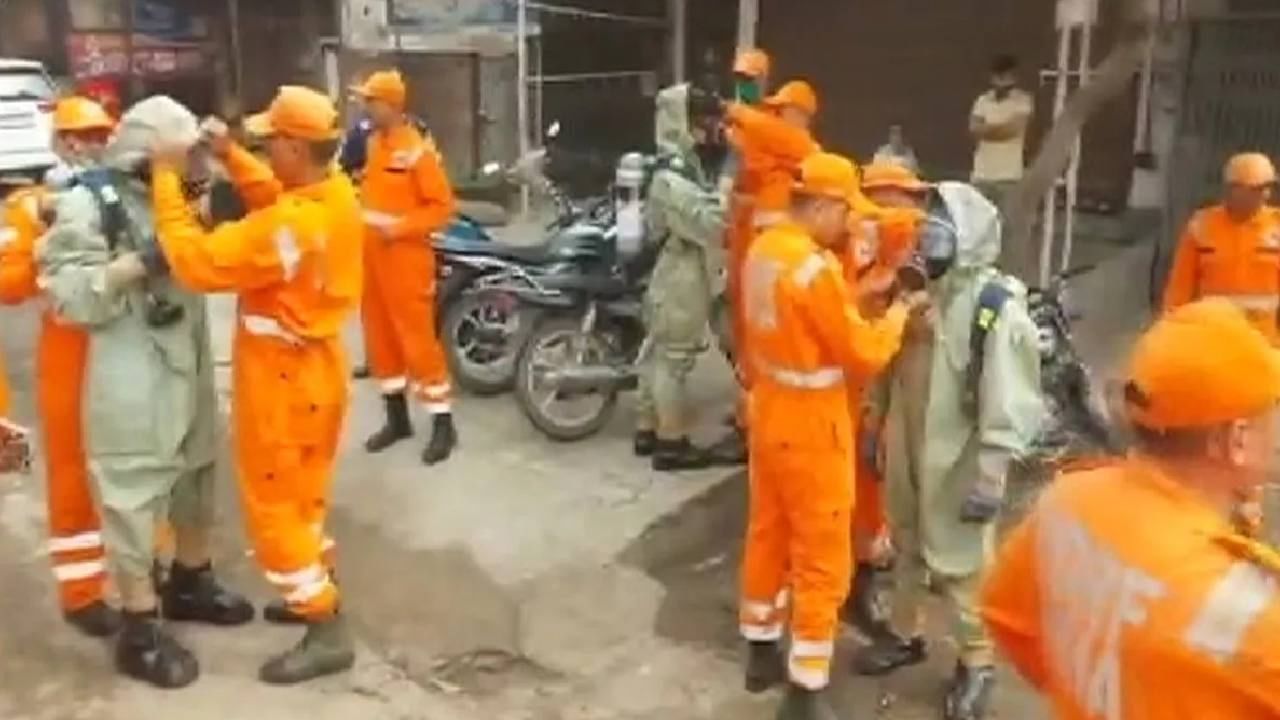
Remember to leave the house doors open for fresh air to circulate in and outside the house. Sometimes you will be lucky if you know where to look or what to do. A hissing sound as a result of a leaking gas pipe means that the leak is a major one and you need to act fast.
If a chimney or vent becomes blocked, CO can leak into the home and silently poison the residents, leaving them feeling weak, sleepy, and nauseous. Inhaling it can eventually lead to death, so “a CO detector is critical for letting the homeowner know if there is any CO gas present,” Remington says. She advises all homeowners to install a CO detector, such as the Kidde Carbon Monoxide Alarm (available from SupplyHouse), in every sleeping area and on every level of the home. The detectors will emit a loud alarm at the first sign of CO gas, alerting the residents to get out of the house. A natural gas leak in a house can cause potential fires, and inhaling the gas can cause natural gas poisoning. As with electricity, gasoline and other potentially dangerous energy sources, natural gas exposure must be handled with care.

Setting Up Your Yearly Home Maintenance Schedule: A Home Maintenance Checklist for Every Season
Abandoned wells leak copious amounts of methane and are a persistent problem in Western Pennsylvania. A further 28 people have been injured, including two children aged five and 16. Airline Finnair has said it is pausing flights to Tartu in eastern Estonia for the next month, due to GPS disturbances in the area. The number of victims from that airstrike has risen, with five people now reported to have died.
The 20 Best Lawn Care Products for a Lush and Healthy Lawn
Whether you live in a house in Boston or rent an apartment in Round Rock, TX, read on to learn how to detect a gas leak in your home. KNOXVILLE, Tenn. (WVLT/Gray News) - A carbon monoxide gas leak has sent several people to the hospital at a Sam’s Club location in East Knoxville Tuesday morning. Asked Julia from Beverly Hills “Gas leaks underground are a bit more challenging to detect and repair. We have the tracing devices to locate the line underground, then we insert our own natural gas then detect using our sniffing device”.
While it is safe when contained within those appliances, a natural gas leak is highly dangerous and can cause a fire or explosion. Since natural gas is odorless and tasteless, a harmless substance called mercaptan is added to make the gas smell like sulfur or rotten eggs. In addition to the smell, there are other signs of a natural gas leak. We’ll identify those signs and tell you what to do if you spot them. Faulty gas pipes and appliances are not the only causes of natural gas leaks.
Routine cleaning and maintenance of burners, grates, and other components are essential to preventing grease buildup, which can affect combustion and potentially lead to gas leaks. Making individuals aware of the signs and symptoms of gas leaks empowers them to take swift action. Recognizing the distinct odor of natural gas or identifying hissing sounds from gas lines can prompt immediate response, preventing accidents.
Since natural gas can enter your home from appliances or gas lines, it can increase your gas bill. Equally critical are the emergency contact details, encompassing key numbers such as those of the local gas provider, fire department, and certified gas technicians. Having this information readily accessible expedites communication and facilitates the initiation of professional assistance. Additionally, basic first aid supplies, such as bandages, antiseptics, gloves, and adhesive tape, address any minor injuries that may occur during the emergency.
If you think your house is experiencing a gas leak, you need to investigate the matter immediately by determining if there is an unpleasant smell. Never keep flammables near your oven, range, heater, furnace, or gas appliance. Flammable materials can include newspapers, laundry, brooms, and mops. Don't turn electric switches off or on if you think there's a leak. If you're noticing severe symptoms, go to the emergency room immediately. Leave all of the doors open in your home and ensure you and your family including your pets are evacuated.
It is important to provide accurate information and follow any instructions they may give you. Also, head to the emergency room, or call an ambulance if your symptoms are severe. Incompletely burnt gas can release carbon monoxide, another dangerous gas that can affect your health. If you use natural gas for heating or hot water, make sure to install a carbon monoxide detector in the home. Homeowners are usually instructed to report suspected leaks immediately and leave remedies to professionals who are trained to find the source of a leak and fix it. Read on to learn how to detect a gas leak and protect your home and loved ones from harm with just a handful of pro-rated tools.


No comments:
Post a Comment